
Henry’s Fork
Releases from Island Park Dam are holding steady at about 95 cfs, less than a quarter of the typical 412 cfs for this date. A short bump to 226 cfs early on October 6 dropped back within hours. Low, stable water makes Box Canyon much easier to wade than usual, but fish are packed into the deeper slots and spook easily. Go with longer leaders, 5X to 6X tippet, and a slow approach.
Monday’s showers clear out to sunny skies Tuesday and Wednesday, with highs of 64° and 67° and frosty nights near 30°. Local guides put the best Blue Winged Olive window at late morning to early afternoon. Bright days keep the hatch short. If clouds move back in, expect a longer, heavier hatch and more rising fish.
Below the surface, midges and BWO nymphs are active all day. In Box Canyon, a rubber-leg stonefly with a small bead-head nymph dropped behind it is the classic fall rig. Strip a Woolly Bugger early and late for the bigger fish moving before winter.
Fly note: guides report fall BWOs running #20–22. Our #14 Parachute BWO works best in the choppy water of Box Canyon and as a visible lead fly with a small nymph behind it. On the slow, flat water of the Ranch, picky risers will want something smaller.
| Bug | Size | Best time | Activity | Our flies |
|---|---|---|---|---|
| Blue Winged Olives (Baetis) Best on cloudy days. Tiny olives also hatch mid-morning and evening in Box Canyon. |
#20–22 | 10 am – 2 pm | Heavy | Parachute Blue Winged Olive #14 Bead Head Pheasant Tail #16 |
| Midges Soft edges and slow backwaters early. Fish the larva under an indicator all day. |
#20–24 | 9 am – noon | Moderate | Zebra Midge (Black) #16 Zebra Midge (Red) #16 Griffith’s Gnat #16 |
| Mahogany Duns Mostly the Railroad Ranch and below Ashton, and better under clouds. |
#14–18 | 11 am – 1 pm | Light | Parachute Adams #14 |
| Caddis Scattered in the afternoon. |
#18–20 | 2 – 5 pm | Light | Emerger Caddis Nymph (Olive) #16 |
The lowest water of the year makes the Box tough to float. Plan to walk the boat through rocky stretches, or better, wade on foot to your favorite runs with a wading staff. Expect drifting weeds. Nymphing is the most consistent approach: a small rubber-leg stonefly (#10–12) with a #16–20 midge or BWO nymph behind it, under an indicator or a dry. After the hatch fades, from about 2 to 4 pm, work the deeper seams and pocket water. The upper canyon near the dam has been fishing best.
Water is clear and extremely low, with weed beds showing, and fishing has been hit or miss. This is dry-fly water for patient anglers: look for risers during the BWO and Mahogany hatches, especially on cloudy days. Concentrate on the deeper channels, use long leaders and fine tippet, and approach slowly. Small fish sipping emergers can look bigger than they are, so watch before you cast.
Dry-droppers and indicator nymph rigs are producing, with streamers as a backup. Keep a dry-fly rod rigged for rising fish. On warm, sunny afternoons, terrestrials are still worth a try along the banks.
Flows are dropping and clarity is improving. Browns are moving upstream and gathering below the Chester and Ora dams, which makes this prime streamer water. Expect BWOs and Mahoganies midday, mostly in the backwaters. Low water makes fish wary here too, so move carefully on foot.
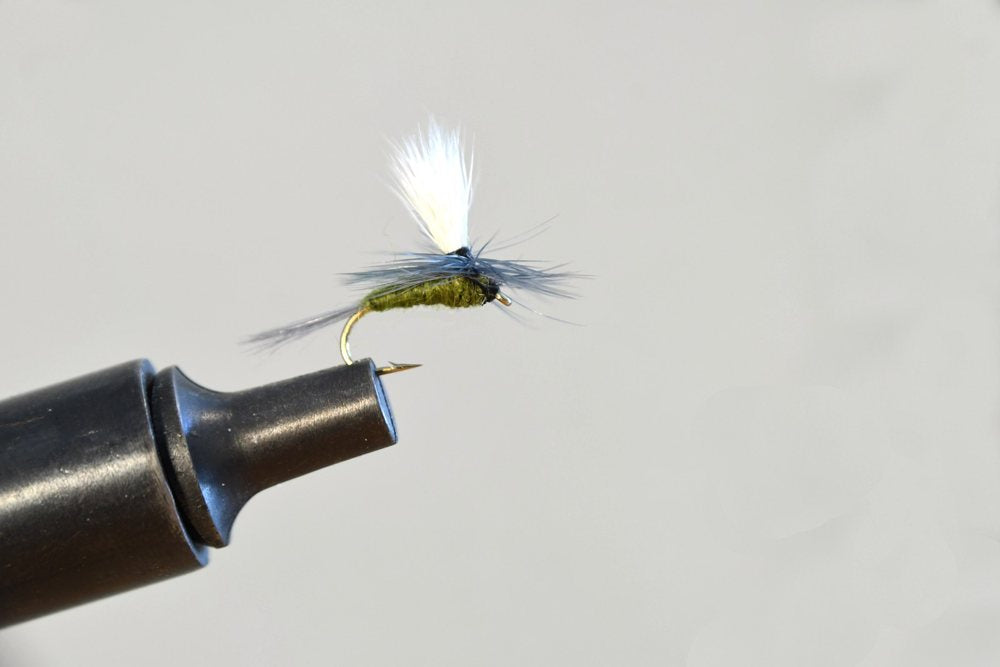
Late-morning hatch, choppy water
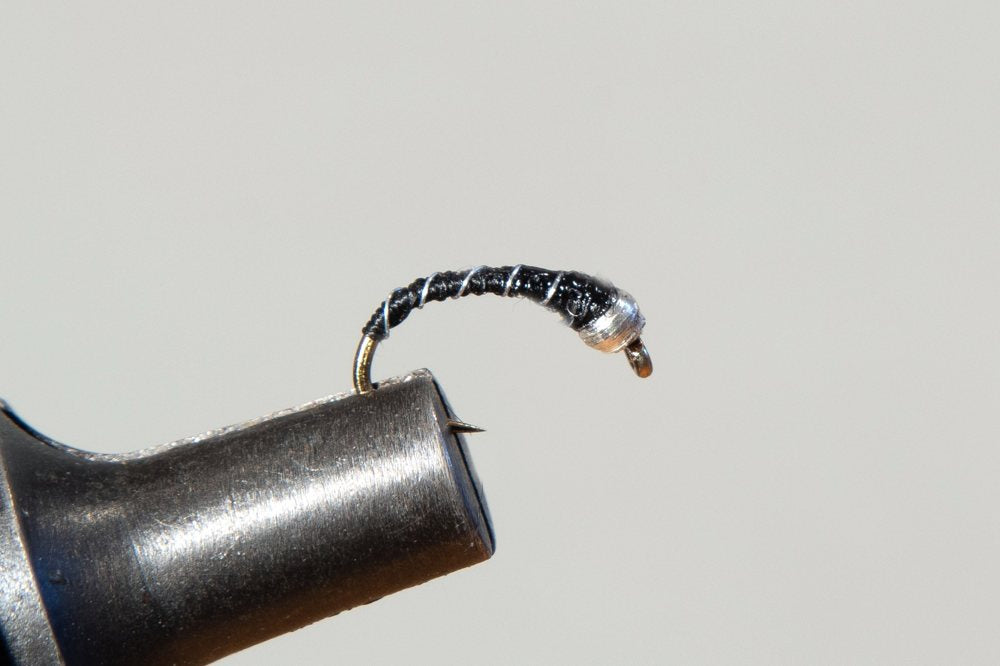
All day, under an indicator

BWO nymph, dropper
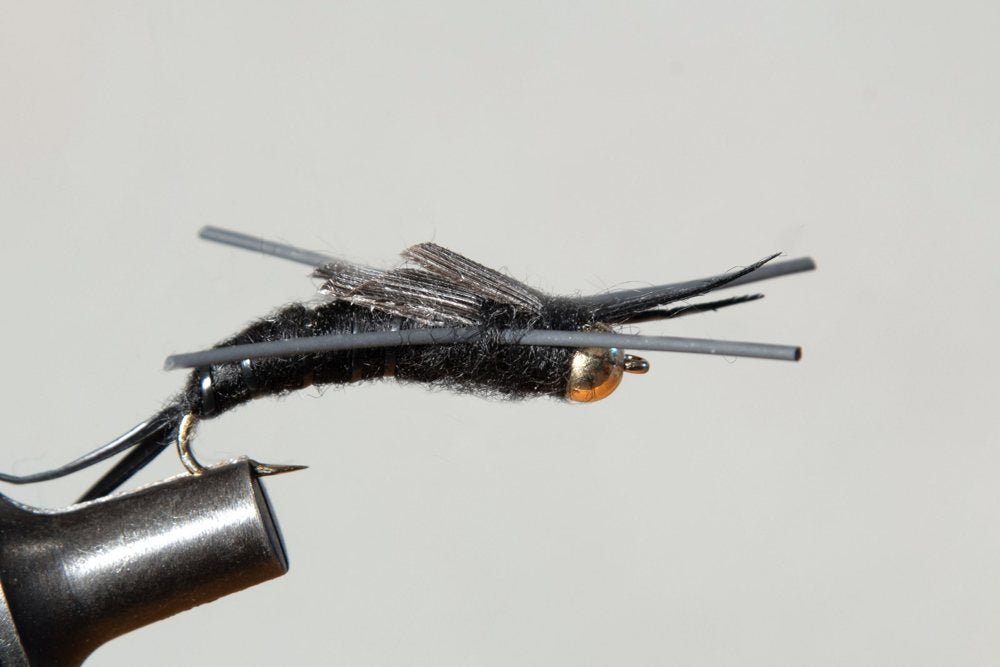
Box Canyon point fly
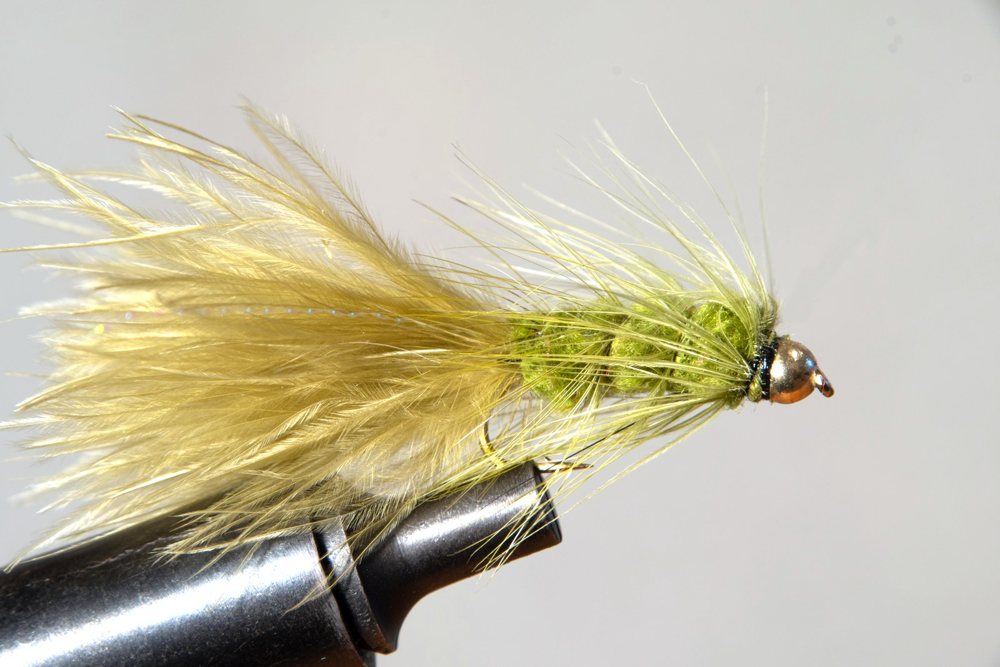
Early and late, strip it